PP 3. Social Media
Donald J. Trump
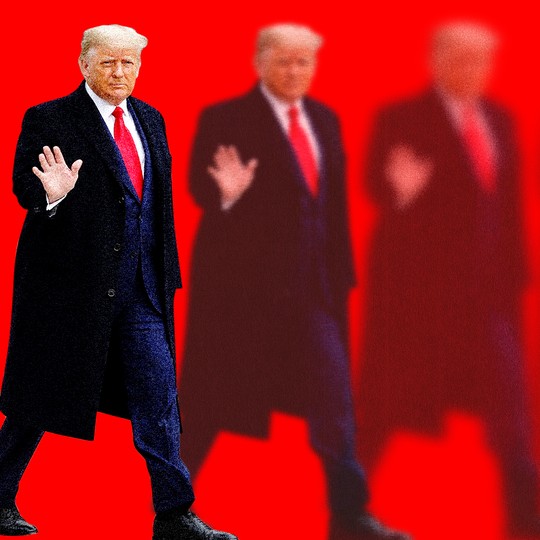
Donald Trump’s (CNN) use of social media during his presidential campaigns has been a defining feature of his political strategy, fundamentally altering the landscape of American politics. His strategies harness the power platforms not only to disseminate information but also to create a fervent community of supporters.
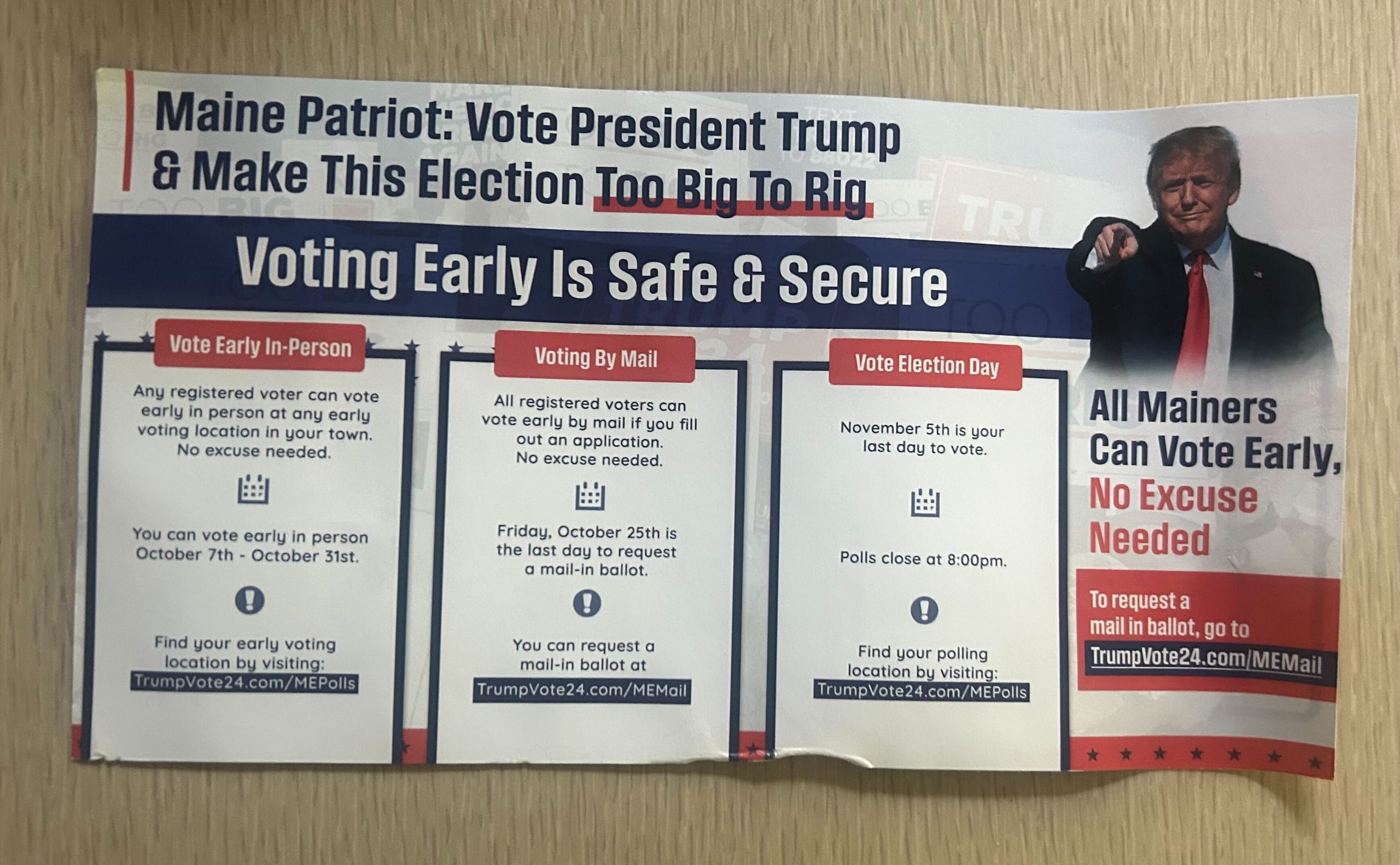
One of Trump’s most notable social media tactics was his use of Twitter(X), where he amassed millions of followers. Twitter(X) (X.COM) became a central hub for his unfiltered communication style, allowing him to bypass traditional media channels. His tweets were often direct and provocative, designed to engage his followers instantly and elicit reactions. This approach allowed Trump to set the narrative rather than respond to it, frequently dominating news cycles with 280 characters or less. He utilized Twitter to announce policy decisions, comment on current events, and respond to critics, creating an image of a candid and accessible leader. This tactic was particularly appealing to voters who felt disillusioned with mainstream media and craved a more direct line of communication.

Trump’s use of other social media (TRUTHSOCIAL.COM) platforms played a crucial role in his campaign strategy. On Facebook, for example, his campaign invested heavily in targeted advertising, reaching specific demographics with tailored messages. This data-driven approach allowed the campaign to maximize its outreach, connecting with voters based on their interests, behaviors, and geographic locations. Videos, memes, and viral content circulated widely, creating a robust online presence that engaged users and transformed them into active participants in the campaign.
Another key aspect of Trump’s social media strategy was his ability to cultivate a strong digital persona. He carefully curated his online image, branding himself as a straight-talking, outsider candidate who was unafraid to challenge the political establishment. This persona (PSYCHTODAY) resonated particularly well with working-class voters and those frustrated by what they perceived as a disconnect between politicians and the general populace. By framing himself as a champion of the “forgotten” American, Trump tapped into existing sentiments of anger and disillusionment, effectively mobilizing a base of supporters who felt their voices had long been ignored.
Trump’s approach to social media was not without controversy. His use of inflammatory rhetoric, personal attacks, and misinformation often placed his campaign at the center of public debate. For instance, during his 2016 campaign, he frequently targeted rival candidates and public figures through social media, fostering an environment of division and conflict. His statements, which were sometimes misleading or factually incorrect, raised ethical questions about the role of social media in political discourse. Nevertheless, these tactics often galvanized his base, reinforcing their support and driving engagement.

“good publicity is preferable to bad, but from a bottom-line perspective, bad publicity is sometimes better than no publicity at all. Controversy, in short, sells.”
― Trump: The Art of the DealTrump’s campaign effectively utilized live video features on social media platforms, allowing him to connect with supporters in real time. These live streams enabled him to convey his messages more personally and dynamically, creating a sense of immediacy that resonated with viewers. This direct engagement fostered loyalty among followers, making them feel like they were part of an exclusive conversation with their candidate.
Donald Trump's social media tactics during his campaigns were groundbreaking and have had lasting implications for political communication. By leveraging platforms like Twitter and Facebook, he transformed the way candidates interact with voters. His strategies combined direct communication, targeted advertising, grassroots engagement, and a carefully curated persona, resulting in a powerful and influential campaign. While controversial, his tactics (POLITICO) successfully mobilized a diverse coalition of supporters, illustrating the enormous potential of social media in shaping political narratives and outcomes. As the digital landscape continues to evolve, Trump’s approach serves as a pivotal case study for future political campaigns.
This was written with the help of A.I.

Comments
Post a Comment